Address
304 North Cardinal
St. Dorchester Center, MA 02124
Work Hours
Monday to Friday: 7AM - 7PM
Weekend: 10AM - 5PM
Precision cold-rolled stainless steel strip, coil and belt solutions
Address
304 North Cardinal
St. Dorchester Center, MA 02124
Work Hours
Monday to Friday: 7AM - 7PM
Weekend: 10AM - 5PM

Understand stainless strip tensile strength, yield strength and elongation so certificates can be compared on the same basis before material approval.

Stainless strip tensile strength is useful only when it is compared with yield strength, elongation, direction and test method. A headline maximum value can hide a material condition that will not form the intended part.
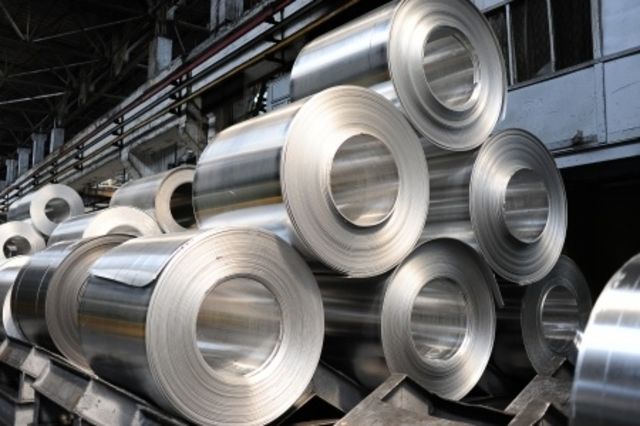
Yield strength marks the onset of permanent deformation. Tensile strength is the highest engineering stress recorded before fracture. Spring and forming design usually depends on the yield behaviour, while tensile strength helps characterise the overall material condition.
Both can change with temper, thickness and grain direction. The supplier and buyer should therefore quote the test standard, specimen geometry and permitted range.
A certificate that lists only one minimum tensile value is incomplete for many precision applications. Look for yield, elongation and hardness together with chemistry and dimensions.
| Property | Useful for |
|---|---|
| Yield strength | Elastic design and permanent set risk |
| Tensile strength | Material condition and fracture resistance |
| Elongation | Remaining forming allowance |
| Hardness | Process control and temper comparison |
| Grain direction | Anisotropy and forming model |
Tensile properties can differ along and across rolling direction. Values can also vary slightly from the start to the end of a coil because processing conditions and accumulated reduction are not perfectly uniform.
An acceptance plan should state sampling frequency and coil position. For a critical forming process, compare the test location with the part direction in the strip.
It is not useful to compare annealed 304 with extra-hard 301 and conclude that one process is inherently better. The correct comparison starts from the finished part and asks which material state meets its load, corrosion and forming requirements.
HIQ reviews 200, 300 and 400-series stainless strip by grade, temper, thickness and width. The Danyang production route and Shanghai export team can connect mechanical requirements with rolling, annealing, levelling and slitting decisions.
Specify minimum and maximum values where appropriate, the test standard, the direction and the frequency. For high-value parts, retain the certificate and material identifier so a later failure investigation can link the sample to its heat and process lot.
Test the finished part as well. A tensile coupon demonstrates material condition; it does not reproduce every bend, edge or assembly load.
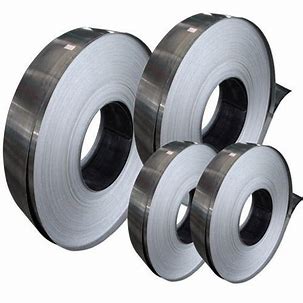

Yes in the usual engineering stress-strain sense. The distance between them indicates the amount of strain hardening after yielding.
Many precision applications need both. A minimum protects load capacity, while a maximum can preserve formability and reduce tooling variation.
No. It characterises the material, but the real bend, stamp and edge condition still need validation.
Before you approve stainless strip tensile strength, send the drawing, grade or application, target thickness and width, temper, surface, edge requirement, operating environment and estimated annual volume. Our Shanghai and Danyang teams will review the manufacturing route and identify the details that should be tested before production.
Related HIQ resources: Custom strip specification · 301 high-strength strip · Outokumpu precision strip buying guide
