Address
304 North Cardinal
St. Dorchester Center, MA 02124
Work Hours
Monday to Friday: 7AM - 7PM
Weekend: 10AM - 5PM
Precision cold-rolled stainless steel strip, coil and belt solutions
Address
304 North Cardinal
St. Dorchester Center, MA 02124
Work Hours
Monday to Friday: 7AM - 7PM
Weekend: 10AM - 5PM

304 stainless steel strip selection guide
The best grade is not automatically the one with higher alloy content. It is the grade that meets corrosion, forming, welding and cost requirements without introducing unnecessary risk.
This 304 vs 316L stainless steel strip guide compares both grades by practical fabrication needs. Both are austenitic stainless steels with good manufacturing characteristics. 304 is widely used for general components because it combines useful corrosion resistance with formability, weldability and broad availability. 316L adds molybdenum and uses a low-carbon composition, which can improve resistance to several chloride-containing environments and reduce sensitisation concerns in welded assemblies.
The “L” in 316L refers to low carbon. It does not make the grade immune to every corrosive condition. Chloride concentration, temperature, pH, residual stress, surface finish, cleaning chemistry and fabrication quality all influence real performance.
For a broader review of alloy families, the World Stainless Association and Nickel Institute provide useful technical resources. Your final material approval should still reflect the actual operating environment and applicable test requirements.
| Decision area | 304 stainless steel strip | 316L stainless steel strip |
|---|---|---|
| Corrosion resistance | Good for many mild and general service environments. | Often preferred for more aggressive chloride or chemical exposure. |
| Carbon and welding | Standard 304 carbon range; process controls remain important. | Low-carbon composition supports welded fabrication in suitable applications. |
| Forming | Excellent general formability and broad process experience. | Generally formable, with selection and testing based on the part. |
| Typical use | Brackets, contacts, trim, appliances and general stamped parts. | Medical, marine, chemical, cleanroom and corrosion-sensitive parts. |
| Material strategy | Cost-effective when 304 meets the service condition. | Use where the corrosion duty supports the added alloy cost. |
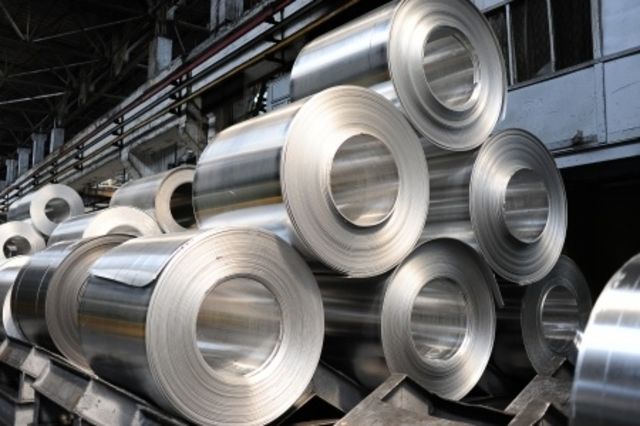

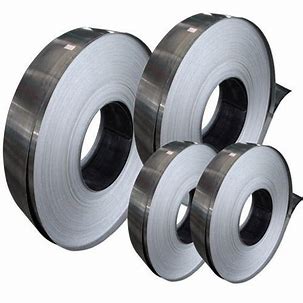

304 is often the lowest-risk starting point for components used indoors, in mild atmospheric conditions or in contact with less aggressive substances. It offers useful ductility for forming and is available in a broad range of thickness, temper and surface options. HIQ supplies 304 precision coil and strip for stamping, connectors, brackets and general industrial fabrication.
Do not select a more corrosion-resistant alloy solely by habit. If the environment is known to be suitable for 304, specifying 316L can increase material cost without improving the part’s limiting failure mode.
316L is often considered where chlorides, process chemicals or repeated hygiene routines make 304 marginal. Medical, laboratory, marine and chemical applications can benefit from its molybdenum-containing composition, but qualification should be based on the specific medium rather than a generic “more corrosive” description.
Review 316L stainless steel strip when welded assemblies and lower carbon are also relevant. Ask whether the added corrosion resistance affects the critical environment, and whether the finish, weld condition or cleaning process will dominate performance.
Material selection is only one part of the result. Rolling reduction, annealing atmosphere, temper, flatness and slit edge quality affect how the strip behaves in downstream equipment. HIQ can review 304 and 316L requirements around the finished component and agree a specification before quotation.
Compare related 304L stainless steel strip, browse all stainless strip and belt products, or read our custom strip specification guide before sending an enquiry.
No. 316L can be preferable in certain corrosive environments, but 304 may meet mild-service requirements with lower cost and simpler availability. Selection should follow the actual operating condition and failure risks.
Consider 304L where lower carbon and welding are important. Compare the final mechanical requirement, forming process and documentation request before treating 304 and 304L as interchangeable.
Yes. Send the required strip width, thickness, temper, surface, tolerance and annual quantity. The manufacturing and slitting route can then be reviewed for the application.