Address
304 North Cardinal
St. Dorchester Center, MA 02124
Work Hours
Monday to Friday: 7AM - 7PM
Weekend: 10AM - 5PM
Precision cold-rolled stainless steel strip, coil and belt solutions
Address
304 North Cardinal
St. Dorchester Center, MA 02124
Work Hours
Monday to Friday: 7AM - 7PM
Weekend: 10AM - 5PM

A practical guide to specifying stainless steel strip edge burr so slit coils feed safely and downstream parts meet inspection requirements.

Stainless steel strip edge burr is a dimensional and handling issue, not just a visual defect. A burr limit should match how the narrow strip will feed, stack, coat, wind or contact people during production.

Burr height is the most obvious measure, but burr direction, edge profile and distribution along the coil can be just as important. A small burr on a sensitive coating line may be unacceptable, while a robust heavy-gauge forming operation may have broader acceptance.
Define which side is critical. Slitting can leave a distinct edge on each side of the strip, and customer handling can change apparent burr direction. Inspection equipment and sample preparation should be agreed so both parties measure the same characteristic.
Use the downstream process to set a meaningful limit. The specification can then reference a maximum burr height, acceptable edge appearance and sampling plan.
Blade condition, setup, tension and material strength all influence the slit edge. Heavy work-hardening grades may produce a different edge from softer material. The inspection plan should account for start, middle and end of coil, especially when the line cannot tolerate a single raised edge.
For high-volume stamping, the burr direction can affect tool wear or part stacking. Share the feed direction and finished orientation rather than specifying a burr dimension without context.
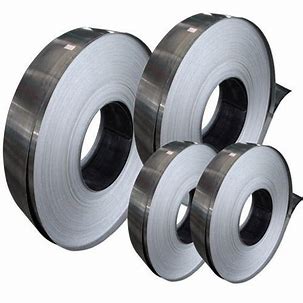
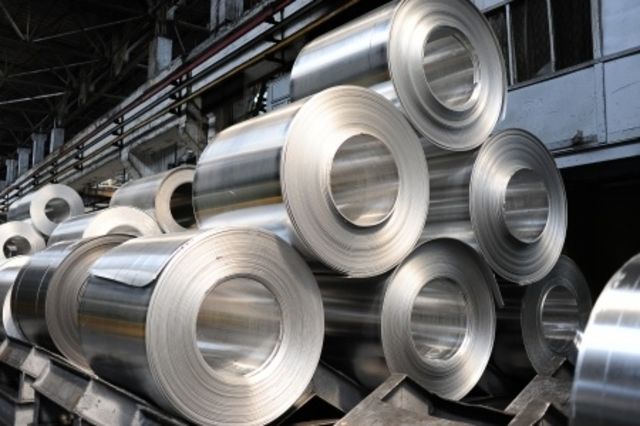
A zero-burr requirement is often impractical and may not change the part outcome. Define the smallest measurable limit that protects the downstream process.
Yes. A rough or directional burr can initiate cracking during bending or drawing, especially in thin or high-strength strip.
A project-specific inspection can be discussed when the measurement method, sample plan and acceptance criteria are clear.
Send the drawing, grade or application, target thickness and width, temper, surface, edge requirement, operating environment and estimated annual volume. Our team can review the manufacturing route and confirm which details should be tested before production.
Related HIQ resources: 301 spring strip · Custom strip specification · Contact HIQ Material · World Stainless Association technical resources
