Address
304 North Cardinal
St. Dorchester Center, MA 02124
Work Hours
Monday to Friday: 7AM - 7PM
Weekend: 10AM - 5PM
Precision cold-rolled stainless steel strip, coil and belt solutions
Address
304 North Cardinal
St. Dorchester Center, MA 02124
Work Hours
Monday to Friday: 7AM - 7PM
Weekend: 10AM - 5PM

A practical guide to stainless steel strip wear resistance, including temper, finish, sliding contact and application testing.
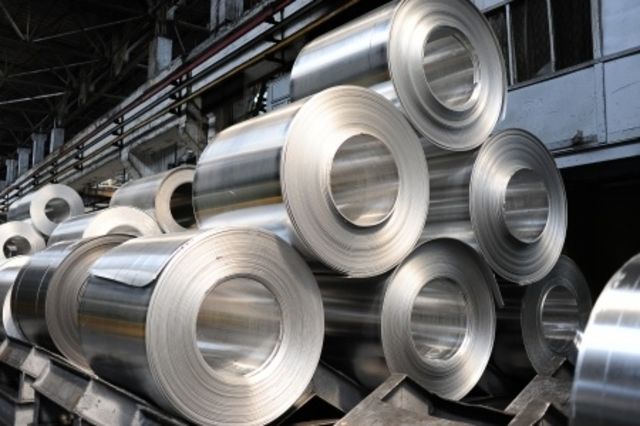
Stainless steel strip wear resistance depends on more than the alloy name. Hardness, surface finish, contact pressure, lubrication and the sliding path all change how the material behaves in service.
For a new part, start with the actual wear mechanism. Abrasion, adhesive transfer, fretting, galling and fatigue are different failure modes, and a material change that helps one may have little effect on another.
Higher hardness can reduce penetration by abrasive particles, but hard strip may also be less tolerant of forming. Surface texture controls local contact pressure and the ability to retain lubricant. A rough or burred edge can initiate wear or damage a mating surface even when the flat surface is acceptable.
Temper and cold reduction affect strength and ductility together. A spring-tempered 301 stainless steel strip may suit a wear-prone spring contact, while a softer grade may be better where forming takes priority.
| Wear factor | What to review |
|---|---|
| Alloy and temper | Hardness, work hardening, ductility and galling tendency |
| Surface finish | Roughness, lubricant retention and visible defects |
| Contact condition | Load, speed, sliding distance, temperature and lubrication |
| Edge quality | Burr height, direction and slit-edge consistency |
| Environment | Abrasive particles, cleaning chemicals and moisture |


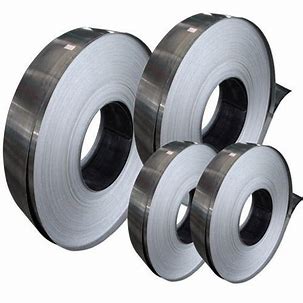
A harder surface does not guarantee lower wear. If the contact pair is prone to galling, a very hard surface may still transfer material under poor lubrication. The finish and the counterface can matter as much as hardness.
Test the candidate material in the same contact arrangement where possible. Record load, speed, temperature and cleaning cycle. Then inspect both the strip and the mating component, because a material change that protects one side may accelerate damage on the other.
Choose a grade around the environment first. Then compare temper options and surface condition. Include the forming method so the final specification leaves enough ductility for the part. If the strip will be slit, define a burr limit that reflects the wear risk at the edge.
Ask whether the proposed test measures material loss, surface damage, friction or another outcome. A simple abrasion result may not predict galling in an assembly. For high-risk applications, the test should reproduce the dominant motion and environment.
HIQ can review grade, temper, thickness, width and surface requirements for the manufacturing route. Application testing remains essential because wear is a system property, not a single material number.
No. Hardness can help one wear mechanism while reducing formability or increasing damage in another. The full contact system must be tested.
Finish can influence friction, lubrication and local pressure. It should be specified along with roughness and defect limits rather than by finish name alone.
Review 301 spring strip, 304 stainless steel strip and our custom strip specification guide.
Use the World Stainless Association and Nickel Institute as starting points for material context, then confirm performance in your actual contact system.
