Address
304 North Cardinal
St. Dorchester Center, MA 02124
Work Hours
Monday to Friday: 7AM - 7PM
Weekend: 10AM - 5PM
Precision cold-rolled stainless steel strip, coil and belt solutions
Address
304 North Cardinal
St. Dorchester Center, MA 02124
Work Hours
Monday to Friday: 7AM - 7PM
Weekend: 10AM - 5PM


310 stainless steel strip for high-temperature components requiring strong oxidation resistance and sustained performance in demanding thermal cycles.
Need a specific grade, temper or slit width? Send the drawing, target tolerance and estimated annual volume. Our team will review the requirement with manufacturing.
Request a technical quote310 stainless steel strip is a high-chromium, high-nickel austenitic grade selected for elevated-temperature service and resistance to oxidation. It is commonly considered for furnace, heating and thermal-process components.
Specify 310 when continuous or cyclic high-temperature exposure is a dominant design requirement. Temperature, atmosphere, support conditions and thermal cycling should be stated in the enquiry because they can change the appropriate material and thickness.
Because every production route changes the material demand, HIQ reviews the finished part before confirming the strip or belt specification.
The following values preserve the original product options and working ranges. Final chemistry, mechanical properties, tolerances and availability remain subject to the drawing and purchase specification.
| Alloy family | High-chromium, high-nickel austenitic |
|---|---|
| Typical chromium | Approximately 25% |
| Typical nickel | Approximately 20% |
| Service focus | High-temperature oxidation resistance |
| Available form | Cold-rolled coil and precision slit strip |
| Finish | 2B, BA and application-specific options |
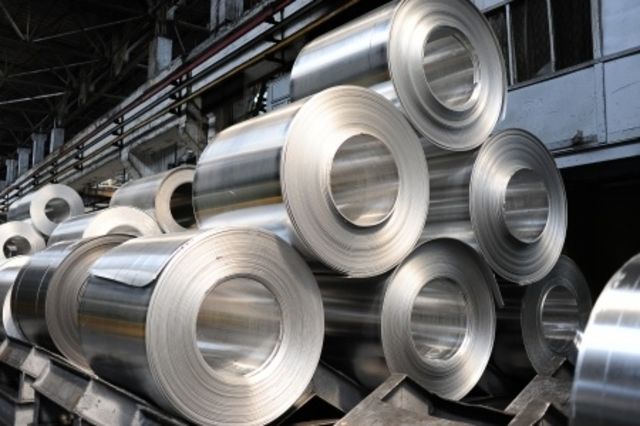

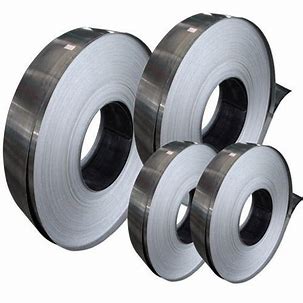
The right choice starts with the finished component. In addition, the forming load, cleaning routine and assembly method can change the preferred temper or surface.
First confirm the material grade and final part geometry. Then define the gauge, width, temper, surface and edge condition that the production process can accept.
For example, a tighter gauge tolerance can improve a stamping process. However, the acceptable range still depends on coil position, measuring method and the finished-part requirement.
310 stainless steel strip can be packed for plant handling or export, with project-specific identification discussed at quotation. As a result, the receiving team can connect each package to the approved order, grade and dimension without relying on labels alone.
Where documentation is required, state the standard, certificate type and traceability details before production. The review should cover the material and finished conversion rather than one specification line in isolation.
Send the finished-part drawing or a clear sample photo with the required grade, thickness, width, temper or mechanical target, surface finish and edge condition. Include the annual volume, forming process and operating environment so the review reflects production needs.
Custom dimensions are reviewed against the finished component and processing route. Thickness, width, temper, surface, edge and packing requirements can be discussed together because changing one condition may affect handling or performance.
Approve the purchase specification against the drawing, sample and expected production process. Specify 310 when continuous or cyclic high-temperature exposure is a dominant design requirement. Temperature, atmosphere, support conditions and thermal cycling should be stated in the enquiry because they can change the appropriate material and thickness.
The technical and sales teams review the application, current material and estimated demand. They then clarify any missing dimensions or process conditions before confirming commercial terms and lead time.
316L Corrosion-Resistant Strip304 Stainless Steel StripWorld Stainless technical resources
Reference identifier: HIQ-310-PS. Need help with a specification? Send the drawing and annual volume to the HIQ technical team for review.