Address
304 North Cardinal
St. Dorchester Center, MA 02124
Work Hours
Monday to Friday: 7AM - 7PM
Weekend: 10AM - 5PM
Precision cold-rolled stainless steel strip, coil and belt solutions
Address
304 North Cardinal
St. Dorchester Center, MA 02124
Work Hours
Monday to Friday: 7AM - 7PM
Weekend: 10AM - 5PM

Understand how BA and 2B stainless steel strip surfaces differ in appearance, consistency and suitability for forming or visible applications.

The BA vs 2B finish decision has practical consequences for stainless steel strip. The two surfaces may share a similar base grade, yet they can look different and behave differently during cleaning, forming and inspection.
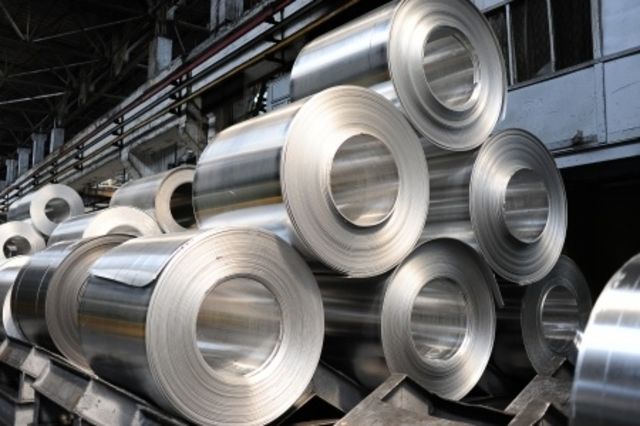
BA refers to bright annealing and is normally selected for a cleaner, more reflective appearance. A 2B finish is a cold-rolled, annealed and skin-passed surface with a more diffuse look. Exact roughness and gloss depend on the mill, grade and agreed inspection standard.
A finish name alone is not a complete visual specification. Coil direction, lighting, protective film, handling and the direction of brushing or polishing can all affect what the customer sees on the finished part.
Use the visible surface and the downstream process to decide. A hidden internal bracket and an exposed appliance panel should rarely be purchased under the same visual acceptance plan.
| Requirement | BA finish | 2B finish |
|---|---|---|
| Visual appearance | Cleaner and more reflective | More diffuse and uniform matte appearance |
| Good fit | Visible decorative and appliance parts | General forming, fabrication and hidden parts |
| Important enquiry details | Gloss, color, surface defects and handling | Roughness, direction and downstream processing |
| Risk to control | Marks and scratches can be more noticeable | Appearance may not meet an exposed-part standard |
Describe whether the surface remains visible after forming. State whether the part will be bent, drawn, laser cut, polished or coated. For visible parts, provide a photo or approved sample and define acceptable scratches, pits, roll marks and edge marks.
Protective film can help with handling, but it does not replace suitable packing or a clear inspection standard. The finish should be tested after the actual fabrication route whenever the surface is critical.

Not necessarily. Availability, grade, thickness, width and handling requirements all affect price. The quote should be based on the complete specification.
Formability depends on grade, temper and tooling. The visible finish may change during drawing, so a trial is recommended.
2B is a cold-rolled and skin-passed finish. It is not the same as a controlled brushed or polished decorative finish.
Send the drawing, grade or application, target thickness and width, temper, surface, edge requirement, operating environment and estimated annual volume. Our team can review the manufacturing route and confirm which details should be tested before production.
Related HIQ resources: 304 precision strip · 430 BA strip · Request a surface review · World Stainless Association technical resources
