Address
304 North Cardinal
St. Dorchester Center, MA 02124
Work Hours
Monday to Friday: 7AM - 7PM
Weekend: 10AM - 5PM
Precision cold-rolled stainless steel strip, coil and belt solutions
Address
304 North Cardinal
St. Dorchester Center, MA 02124
Work Hours
Monday to Friday: 7AM - 7PM
Weekend: 10AM - 5PM

How camber can affect slitting, winding and automated feeding, plus a practical way to define and inspect strip straightness.

Stainless steel strip camber tolerance describes how far an edge deviates from a straight line over a defined length. It matters most when a narrow strip must track repeatably through a press, slitter, coating line or winder.
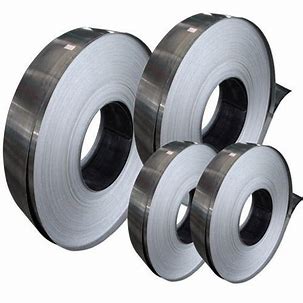
Flatness describes local waves, buckles or crossbow across and along the strip. Camber describes the lateral curve of the strip centreline or edge. A strip can look flat on a table and still wander when unwound under tension.
Ask for the camber measurement length, reference edge and measuring method. Supplying only a number without the measurement convention can make acceptance ambiguous.
Use the narrowest section of the production line as a guide. If the equipment uses edge guides and short spans, a tighter camber may not solve a feed problem caused by coil set or incorrect tension. A system review can separate material variation from line setup.
Camber may appear as off-centre winding, edge scraping, inconsistent guide pressure or part-to-part position drift. Because the strip is elastic, the visible curvature can change under different unwinding tension.
A trial coil on the actual line is often the clearest validation. Record the unwind direction, line speed, tension and guide settings so the result can be repeated in production.

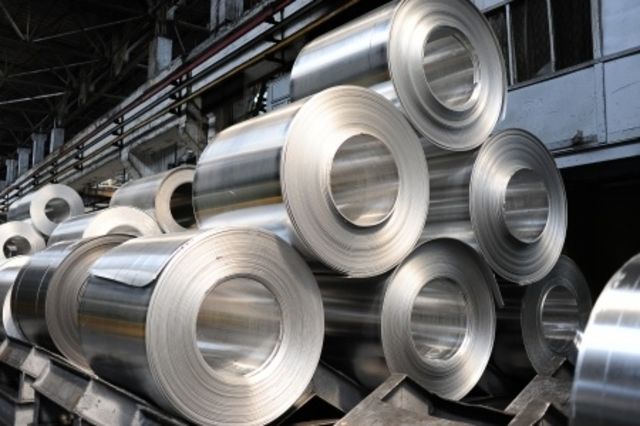
Slitting can establish a new edge, but material condition, residual stress and line tension still influence tracking. The required improvement should be discussed before processing.
Use a consistent metric or imperial unit and pair it with a measurement length. A value such as 2 mm without saying “over 1 metre” is incomplete.
Referenced standards may include limits, but the final application may require a tighter or differently measured condition.
Send the drawing, grade or application, target thickness and width, temper, surface, edge requirement, operating environment and estimated annual volume. Our team can review the manufacturing route and confirm which details should be tested before production.
Related HIQ resources: 304 stainless steel strip · Start a custom strip enquiry · Technical buying guide · World Stainless Association technical resources
