Address
304 North Cardinal
St. Dorchester Center, MA 02124
Work Hours
Monday to Friday: 7AM - 7PM
Weekend: 10AM - 5PM
Precision cold-rolled stainless steel strip, coil and belt solutions
Address
304 North Cardinal
St. Dorchester Center, MA 02124
Work Hours
Monday to Friday: 7AM - 7PM
Weekend: 10AM - 5PM


Precision 316L stainless steel strip for components exposed to chlorides, process chemicals and demanding corrosive service conditions.
Need a specific grade, temper or slit width? Send the drawing, target tolerance and estimated annual volume. Our team will review the requirement with manufacturing.
Request a technical quote316L stainless steel strip adds molybdenum to a low-carbon austenitic composition, improving resistance to several corrosive environments compared with 304 and 304L. It is suitable for precision strip parts where cleanliness and durability matter.
316L is often considered for chloride exposure, but concentration, temperature and cleaning chemistry all affect real performance. Share the operating medium with our team so the grade, finish and fabrication method can be reviewed together.
Because every production route changes the material demand, HIQ reviews the finished part before confirming the strip or belt specification.
The following values preserve the original product options and working ranges. Final chemistry, mechanical properties, tolerances and availability remain subject to the drawing and purchase specification.
| Alloy family | Molybdenum-bearing austenitic stainless steel |
|---|---|
| Typical grade | 316L / UNS S31603 family |
| Thickness | Thin-gauge and heavier strip by specification |
| Width | Precision slitting to customer requirement |
| Temper | Range dependent on thickness and route |
| Surface | BA, 2B, polished and application-specific |
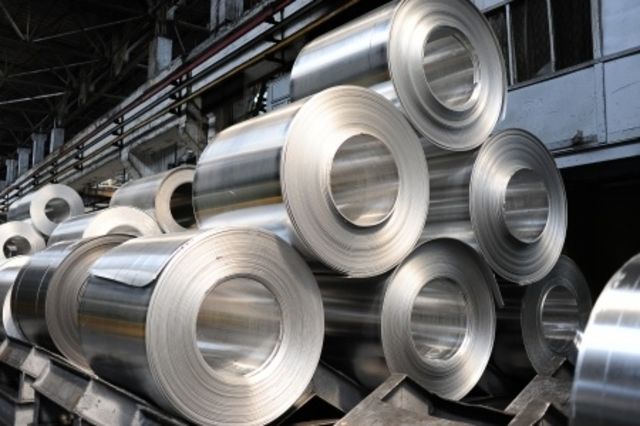

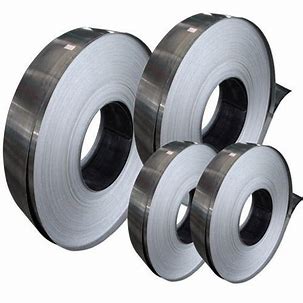
The right choice starts with the finished component. In addition, the forming load, cleaning routine and assembly method can change the preferred temper or surface.
First confirm the material grade and final part geometry. Then define the gauge, width, temper, surface and edge condition that the production process can accept.
For example, a tighter gauge tolerance can improve a stamping process. However, the acceptable range still depends on coil position, measuring method and the finished-part requirement.
316L stainless steel strip can be packed for plant handling or export, with project-specific identification discussed at quotation. As a result, the receiving team can connect each package to the approved order, grade and dimension without relying on labels alone.
Where documentation is required, state the standard, certificate type and traceability details before production. The review should cover the material and finished conversion rather than one specification line in isolation.
Send the finished-part drawing or a clear sample photo with the required grade, thickness, width, temper or mechanical target, surface finish and edge condition. Include the annual volume, forming process and operating environment so the review reflects production needs.
Custom dimensions are reviewed against the finished component and processing route. Thickness, width, temper, surface, edge and packing requirements can be discussed together because changing one condition may affect handling or performance.
Approve the purchase specification against the drawing, sample and expected production process. 316L is often considered for chloride exposure, but concentration, temperature and cleaning chemistry all affect real performance. Share the operating medium with our team so the grade, finish and fabrication method can be reviewed together.
The technical and sales teams review the application, current material and estimated demand. They then clarify any missing dimensions or process conditions before confirming commercial terms and lead time.
304L Stainless Steel Strip310 Heat-Resistant StripNickel Institute corrosion resources
Reference identifier: HIQ-316L-PS. Need help with a specification? Send the drawing and annual volume to the HIQ technical team for review.